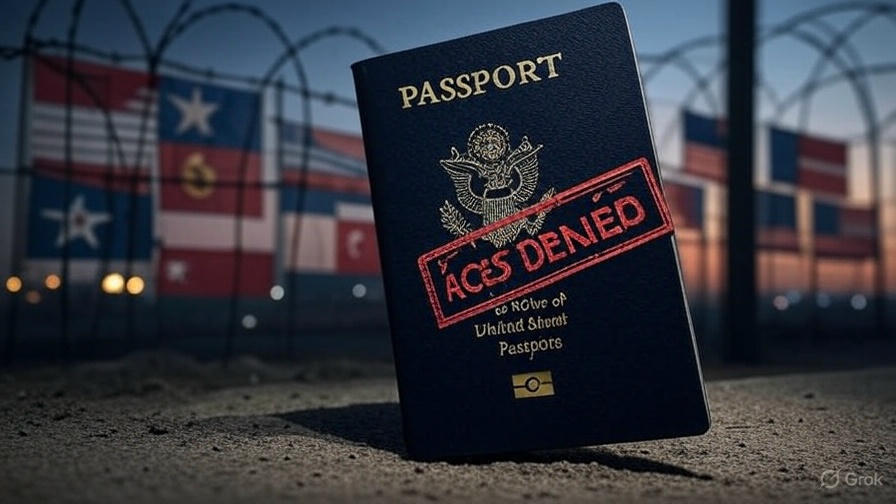
The new Trump travel ban revives a controversial policy from his first term, with a focus on national security and visa overstays.
Trump Travel Ban Targets 12 Nations with Full Entry Ban
On Wednesday, former President Donald Trump announced a sweeping travel ban targeting 19 countries, including 12 facing a full ban and seven others subject to new restrictions. The Trump travel ban is set to go into effect on Monday at 12:01 a.m., giving travelers a short window to adjust their plans.
The full entry ban affects the following 12 countries:
- Afghanistan
- Myanmar
- Chad
- Republic of Congo
- Equatorial Guinea
- Eritrea
- Haiti
- Iran
- Libya
- Somalia
- Sudan
- Yemen
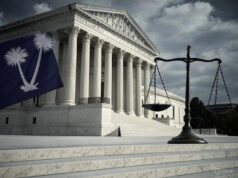
These countries were flagged for either poor identity verification systems, security risks, or high rates of visa overstays. The list mirrors parts of Trump’s original 2017 executive order, which was later upheld by the U.S. Supreme Court in 2018. Read the ruling here.
Seven Countries Face Visa Restrictions
In addition to the full bans, citizens from the following seven countries will be subject to heightened travel restrictions:
- Burundi
- Cuba
- Laos
- Sierra Leone
- Togo
- Turkmenistan
- Venezuela
These restrictions involve tighter visa controls, increased vetting, and limits on entry categories. The policy follows a January 20 executive order instructing the Department of Homeland Security (DHS), State Department, and Office of the Director of National Intelligence to evaluate global threats and recommend restrictions based on security risks.
Official DHS report: Visa Overstay Data – DHS.gov
Travel Ban Cites Visa Overstays and Weak Security Cooperation
Trump justified the bans based on high visa overstay rates and weak cooperation from foreign governments. The DHS Annual Overstay Report highlights how certain countries fail to retrieve citizens who remain in the U.S. after their visas expire.
- “We don’t want them,” Trump said in a video announcement. “Countries that cannot or will not help us verify identities or take back their own citizens pose a security risk.”
Afghanistan, once a top source of refugees and Special Immigrant Visa holders, was included in the ban for lacking a functioning central authority. However, Afghan nationals who worked with the U.S. military and hold Special Immigrant Visas (SIVs) are exempt.
Criticism Grows Over Travel Ban’s Humanitarian Impact
The new Trump travel ban has drawn swift backlash from immigration advocates, veterans’ groups, and humanitarian organizations.
- “To include Afghanistan — a nation whose people stood alongside American service members for 20 years — is a moral disgrace,” said Shawn VanDiver, president of #AfghanEvac.
Haiti, which avoided Trump’s earlier travel bans, was added this time due to political instability and high overstay rates. The U.S. State Department notes that Haiti is facing a surge in gang violence, with armed groups controlling much of Port-au-Prince. Travel advisories are available here.
Trump’s order also affects Iran, Libya, Sudan, and Yemen—nations facing civil conflict or governance challenges. Iran, designated as a “state sponsor of terrorism,” is banned except for pre-approved visas or persecuted minority groups.
Travel Ban Revives Controversial Legacy of 2017 Policy
This latest move closely mirrors Trump travel ban issued in January 2017, which targeted mostly Muslim-majority countries. That initial ban triggered widespread confusion at airports, legal battles, and protests. The ACLU and other civil liberties groups challenged the order, eventually leading to a revised version upheld by the Supreme Court in 2018.
Read ACLU’s summary: Muslim Ban – ACLU.org
Trump has long defended the bans as vital for national security, denying that they are motivated by religious or ethnic bias. However, critics argue the policies disproportionately impact marginalized communities seeking safety in the U.S.
What You Should Know About Travel Ban
Travelers from affected countries are urged to review current entry rules and consult official resources:
- U.S. Department of State – Visa Info
- U.S. Citizenship and Immigration Services (USCIS)
- U.S. Customs and Border Protection (CBP)
- Department of Homeland Security (DHS)
Legal experts anticipate new lawsuits challenging the Trump travel ban, but with the 2018 Supreme Court precedent, the policy may have stronger legal footing this time.