
New Pause on U.S. Student Visa Interviews Could Affect Thousands of International Applicants
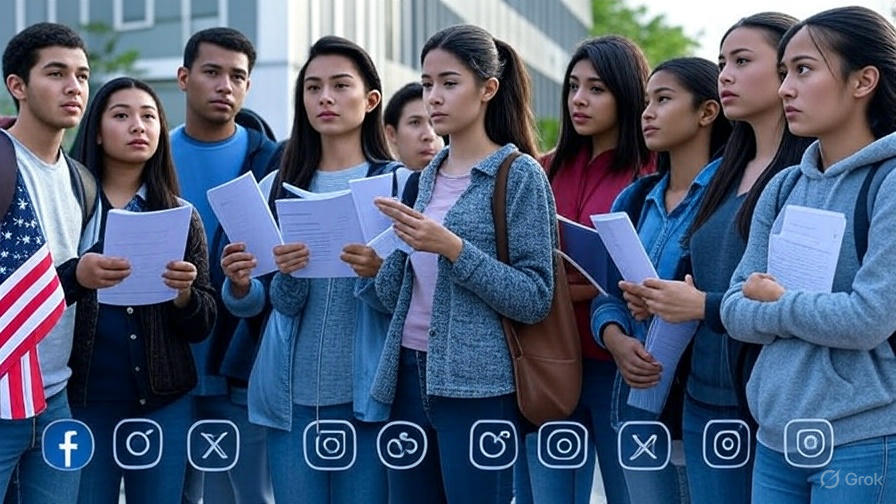
If you’re planning to study in the United States, brace for possible delays. The Trump administration has temporarily paused new student visa interviews at U.S. embassies and consulates worldwide while it considers expanding social media screening for student visa applicants. This move could impact thousands of international students and may introduce longer processing times for F, M, and J visa categories.
According to an official U.S. State Department cable dated May 27 and signed by Secretary of State Marco Rubio, consular officers have been instructed to suspend scheduling new student and exchange visitor visa interviews until further notice. This is reportedly in preparation for a broader vetting process that would require student visa applicants to undergo mandatory social media background checks.
- “Effective immediately, consular sections should not add any additional student or exchange visitor (F, M, and J) visa appointment capacity until further guidance is issued,” the cable reads.
What This Means for Student Visa Applicants
The implications for international students are significant. If the administration proceeds with this plan, it could:
- Slow down the overall student visa processing time, potentially delaying arrival for the academic year.
- Impact universities financially, particularly those that rely heavily on international student tuition.
- Raise concerns about privacy and fairness, especially if the vetting criteria are unclear or inconsistently applied.
This pause affects students applying under F visas (academic studies), M visas (vocational training), and J visas (exchange programs)—all of which are essential pathways for international students entering the U.S. education system.
For full visa guidance, visit the official U.S. Department of State – Student Visa page.
Concerns Around Social Media Vetting in Student Visa Screening
While some level of vetting has existed in recent years, the proposed changes suggest a more aggressive approach to screening social media activity, especially posts related to political activism or international conflicts. The cable reportedly follows recent internal discussions about monitoring students involved in campus protests, particularly around sensitive geopolitical issues.
There is concern among immigration advocates and higher education institutions that this vetting could be used selectively or ambiguously, leading to unnecessary visa denials or delays.
For example, it remains unclear whether expressing support for a humanitarian cause, such as posting a Palestinian flag on social media, could result in extra scrutiny or rejection. This ambiguity has led to frustration among consular officials and legal experts alike.
To better understand how social media may affect your U.S. visa application, review U.S. Customs and Border Protection’s privacy policy.
Impact on Universities and International Education
Many universities, particularly those in the Ivy League or other liberal-leaning institutions, have come under scrutiny from the Trump administration over accusations of fostering antisemitism or political bias. These institutions could now find themselves under added pressure as their international student pipelines face disruption.
Universities that heavily rely on foreign students—for both academic diversity and financial sustainability—may need to revise their admissions support and visa timelines.
If you’re considering studying in the UK instead, explore student visa guidance at the official GOV.UK Student Visa page.
What Should Students Do Now?
If you’re planning to apply for a U.S. student visa:
- Monitor updates from the U.S. Department of State – Visa News
- Check your local embassy’s website for interview appointment status
- Be mindful of your social media presence and understand your rights
- Consider applying early to allow more time for potential delays
For alternative study destinations or routes, consider visiting UKCISA – UK Council for International Student Affairs or the British Council.
Conclusion:
While this development is still unfolding, international students should stay informed and plan accordingly. Whether you’re applying for a U.S. student visas or exploring other options like studying in the UK, staying ahead of policy changes is crucial in today’s unpredictable immigration environment.
READ MORE:
- Donald Trump on Russia: Former President Slams Putin Over Ukraine Drone Attacks
- NB.1.8.1 COVID Variant Detected in U.S. Travelers Amid Surge in China
- Bitcoin Breaks Boundaries: Hits Historic All-Time High Beyond January Peak





[…] Student Visa Delays Loom as Trump Administration Weighs Social Media Vetting […]
[…] Student Visa Delays Loom as Trump Administration Weighs Social Media Vetting […]
[…] Student Visa Delays Loom as Trump Administration Weighs Social Media Vetting […]
[…] Student Visa Delays Loom as Trump Administration Weighs Social Media Vetting […]